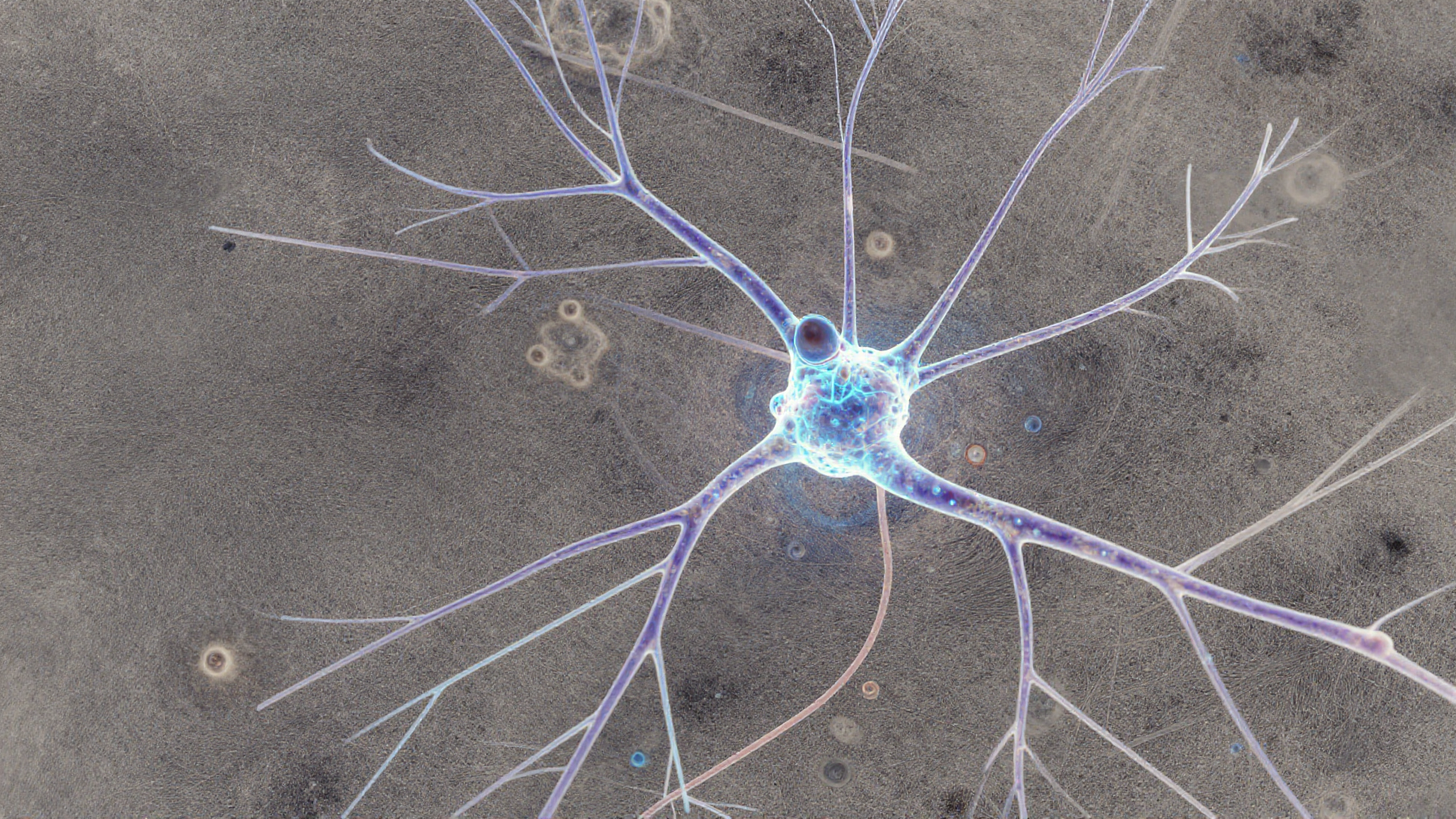
A recent preclinical study utilizing a rat model demonstrated that a single administration of psilocybin or the selective 5-HT2A receptor agonist 25CN-NBOH resulted in antidepressant-like behavioral effects persisting for at least three months. Researchers observed no diminishing effect size in the forced swim test over this extended period, indicating the sufficiency of 5-HT2A receptor activation for durable behavioral modification, according to findings published in Neuropsychopharmacology.
Crucially, the study assessed cellular plasticity in the medial prefrontal cortex (mPFC) using electrophysiology several months post-treatment. Neurons from treated animals exhibited significant, enduring alterations in functional characteristics, including changes to resting membrane potential and firing rates.
However, detailed microscopic examination of these same neurons revealed no corresponding changes in synaptic density or spine classification between control and treated groups. This finding directly contrasts with some prior research suggesting structural remodeling is necessary for long-term therapeutic benefits associated with these compounds.
Furthermore, gene expression analysis targeting several key presynaptic and postsynaptic markers within the mPFC showed no significant differences across the groups months after the initial dosing. This lack of molecular alteration reinforces the conclusion that the lasting effects are rooted in functional reorganization rather than physical restructuring of synapses.
The research indicates that the enduring behavioral benefits observed following a single psychedelic dose are mediated by long-lasting functional plasticity within the neural circuitry. This distinction between functional and structural plasticity offers a refined understanding of the pharmacological persistence of these agents.
These findings, derived from preclinical models, carry significant implications for the development of next-generation psychiatric therapeutics targeting depression and anxiety. Understanding the mechanism that stabilizes function without requiring structural maintenance could inform novel drug design strategies.
The data are available upon request, as noted by the authors of the research published through nature.com’s platform.