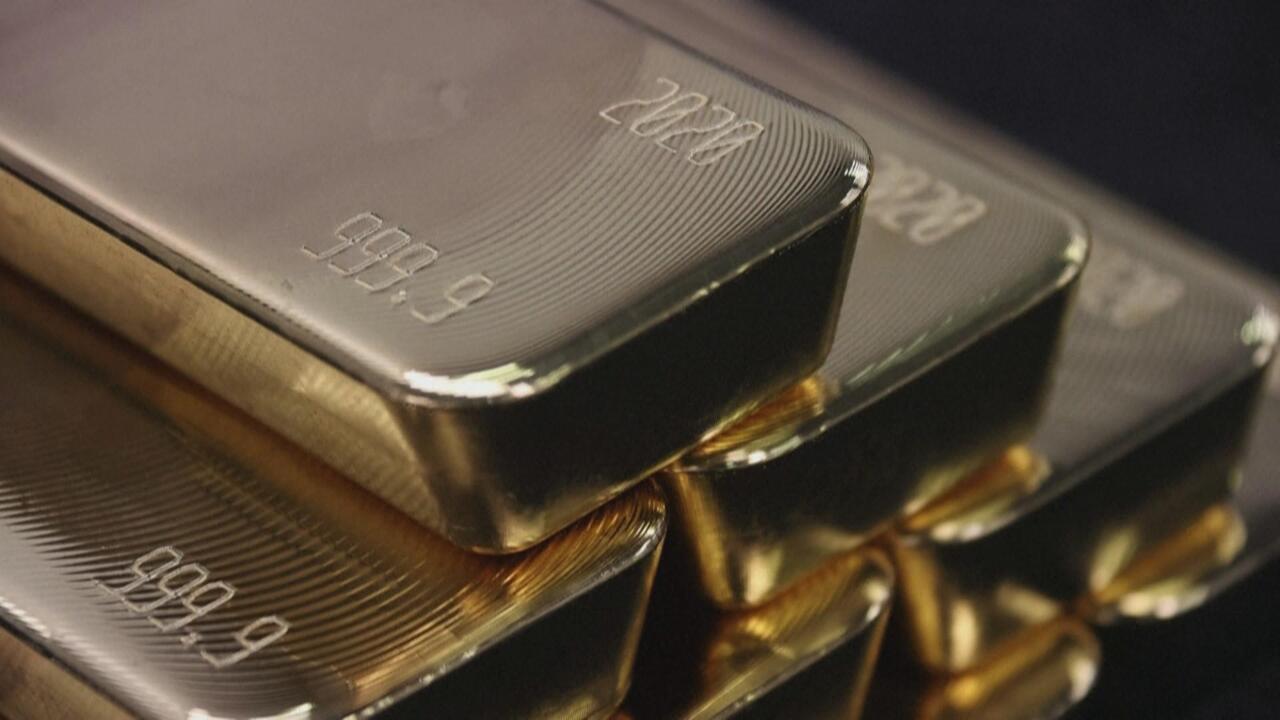
Precious metals, including gold and silver, extended their losses on Monday following significant declines recorded late last week, according to reports. This downward trend suggests investors are rotating capital away from traditional safe-haven assets amid evolving monetary policy expectations.
The immediate catalyst for the market shift appears to be the selection of Kevin Warsh to potentially lead the Federal Reserve, as announced by US President Donald Trump. Warsh's known economic leanings reportedly signal a potentially tighter monetary stance, reducing the appeal of non-yielding assets like bullion.
This development contrasts sharply with the recent rally that saw both metals reach elevated levels, driven by broader geopolitical uncertainty and inflation hedging strategies. Analysts suggest the market is now pricing in a more hawkish outlook from the central bank.
Further complicating the commodity picture, French technology firm Capgemini is reportedly planning the divestiture of its US subsidiary specializing in providing data services for immigrant tracking to US Immigration and Customs Enforcement (ICE). This corporate action introduces a separate, sector-specific headwind for related technology stocks.
While the precious metals market reacts to central bank signaling, the Capgemini move highlights ongoing scrutiny regarding technology firms' involvement in sensitive government contracts within the US market. This divestiture may reflect corporate risk management strategies concerning public perception and regulatory exposure.
Data from commodity exchanges indicated increased selling pressure across futures contracts for both gold and silver as the news solidified in trading sessions. This outflow demonstrates the sensitivity of these markets to high-level appointments that influence interest rate trajectories.
Looking ahead, the confirmation process for the Fed leadership will be crucial in determining the sustained trajectory for gold and silver prices. Any indication of policy continuity or divergence from expectations will likely trigger further volatility in the broader commodity complex.